Circularity
Keeping materials in the loop instead of devaluing them – ecologically necessary and economically advantageous.
Center for Economic Sustainability
The CES focuses on areas where the circular economy is economically superior and yet still implemented too rarely: with education, model projects and international exchange for ecological and economic development worldwide.
Mission
Ecology and economy share not only the Greek root oikos – they follow the same principles. Nature works with the lowest possible use of resources and energy, keeps emissions low and recycles almost all residues.
The same should apply to economic processes: the less material used, the lower the process costs and the higher the recycling rate, the better the profitability. Circularity is therefore the foundation of the economic development the CES is striving for.
Keeping materials in the loop instead of devaluing them – ecologically necessary and economically advantageous.
Low-emission processes as the result of consistent efficiency, not as an extra effort.
Using less material and energy reduces costs throughout the entire production process.
Transferable principles that work in different economic areas.
Latest
The initiative to found the CES came about together with our partners in Zambia. Here we show by example how ecological and economic development go hand in hand – with projects that Zambian companies implement themselves. This creates jobs and prosperity on the ground.
Delegation trip from 23 to 30 January 2027

Goals
Despite considerable economic advantages, ecological circular processes have not yet become established in the economy. The CES wants to change that.
Educating and informing business, society and science worldwide about the advantages of ecological and economic cycles.
Developing and supporting model projects that are consistently designed according to ecological and economic principles.
Promoting international, intercultural exchange to support ecological and economic development.
Projects
Our model projects Greenfenix, biochar and vertical farming each already put the CES idea into practice on their own: closing material cycles with the least possible input. Together they act as an economic and ecological booster: Greenfenix wood is turned into biochar, which in turn improves the cultivation of Greenfenix and vegetables.
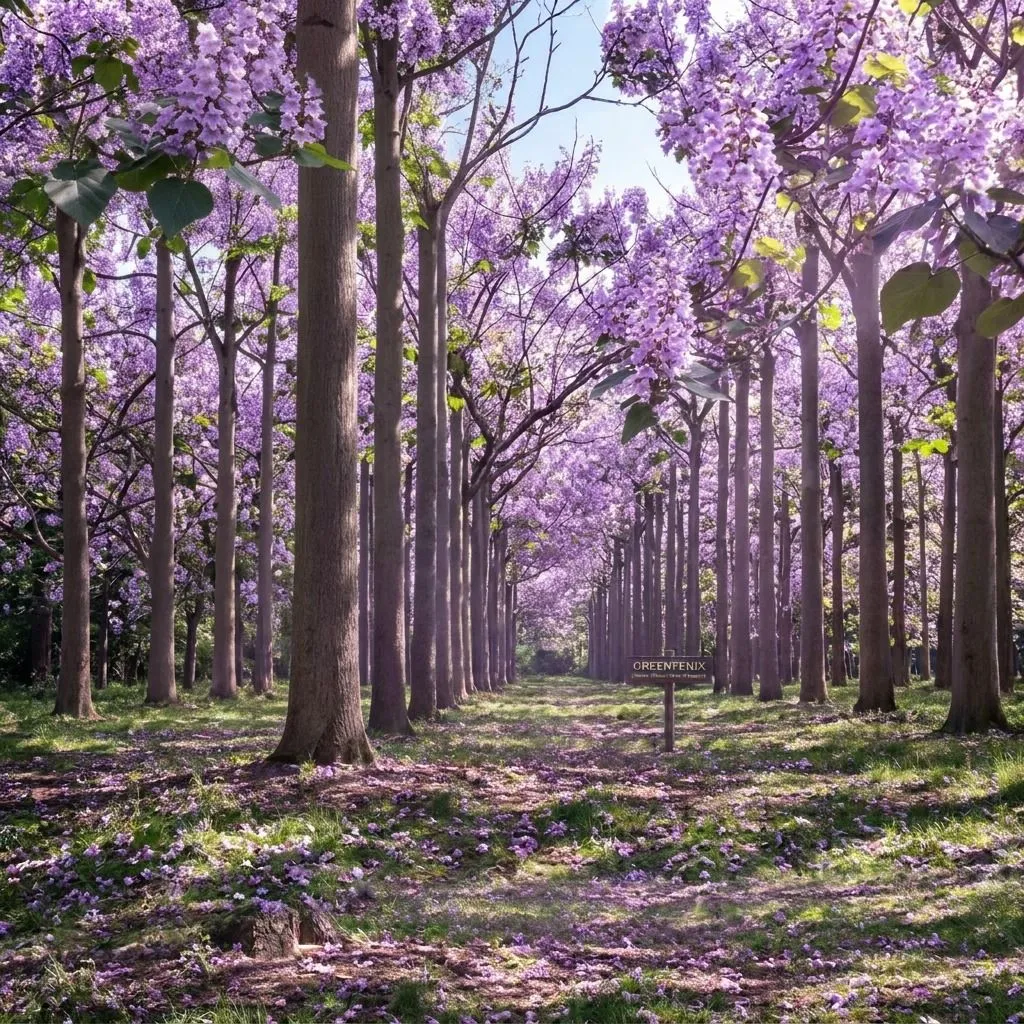
A sterile hybrid paulownia bred for dry and saline soils. The fast-growing tree captures carbon, provides cooling, improves the soil and supplies renewable biomass – without spreading uncontrollably.
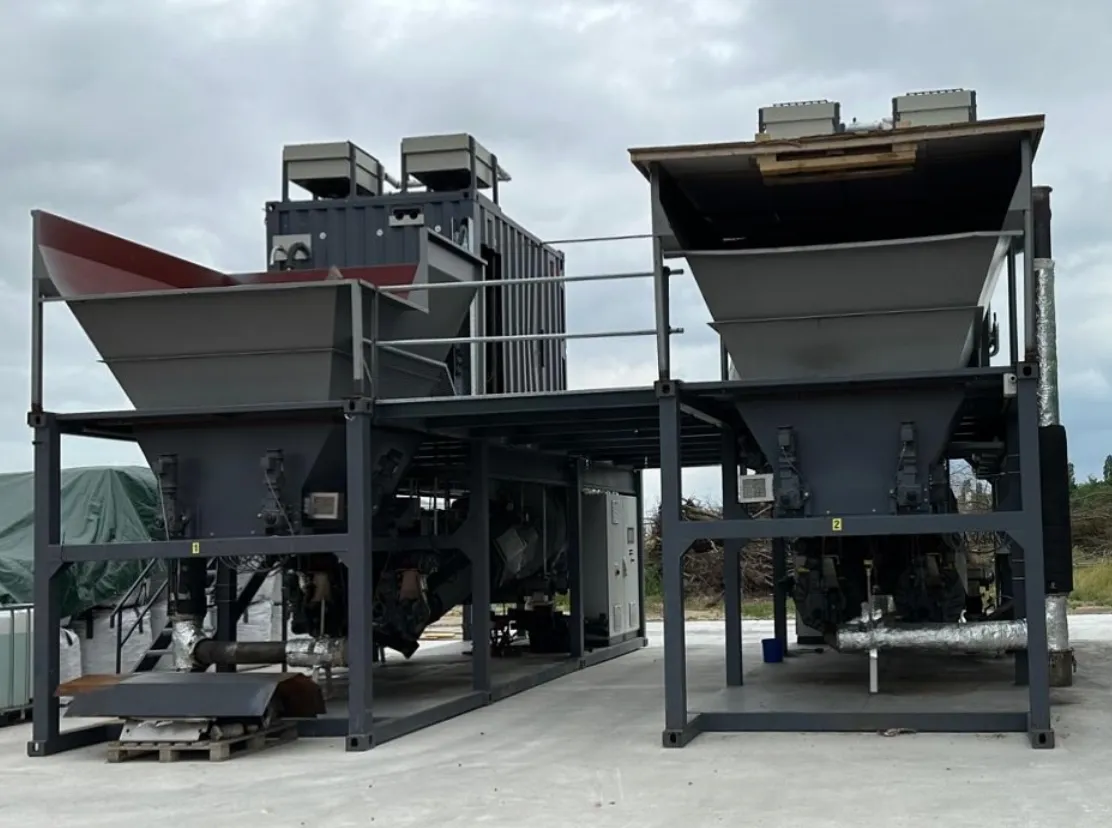
C44 produces biochar on an industrial scale in Zittau. A patent-pending pyrolysis process carbonises wood and other biomass at 350–750 °C with little oxygen. The carbon remains permanently bound, while the pyrolysis gas supplies power and heat.
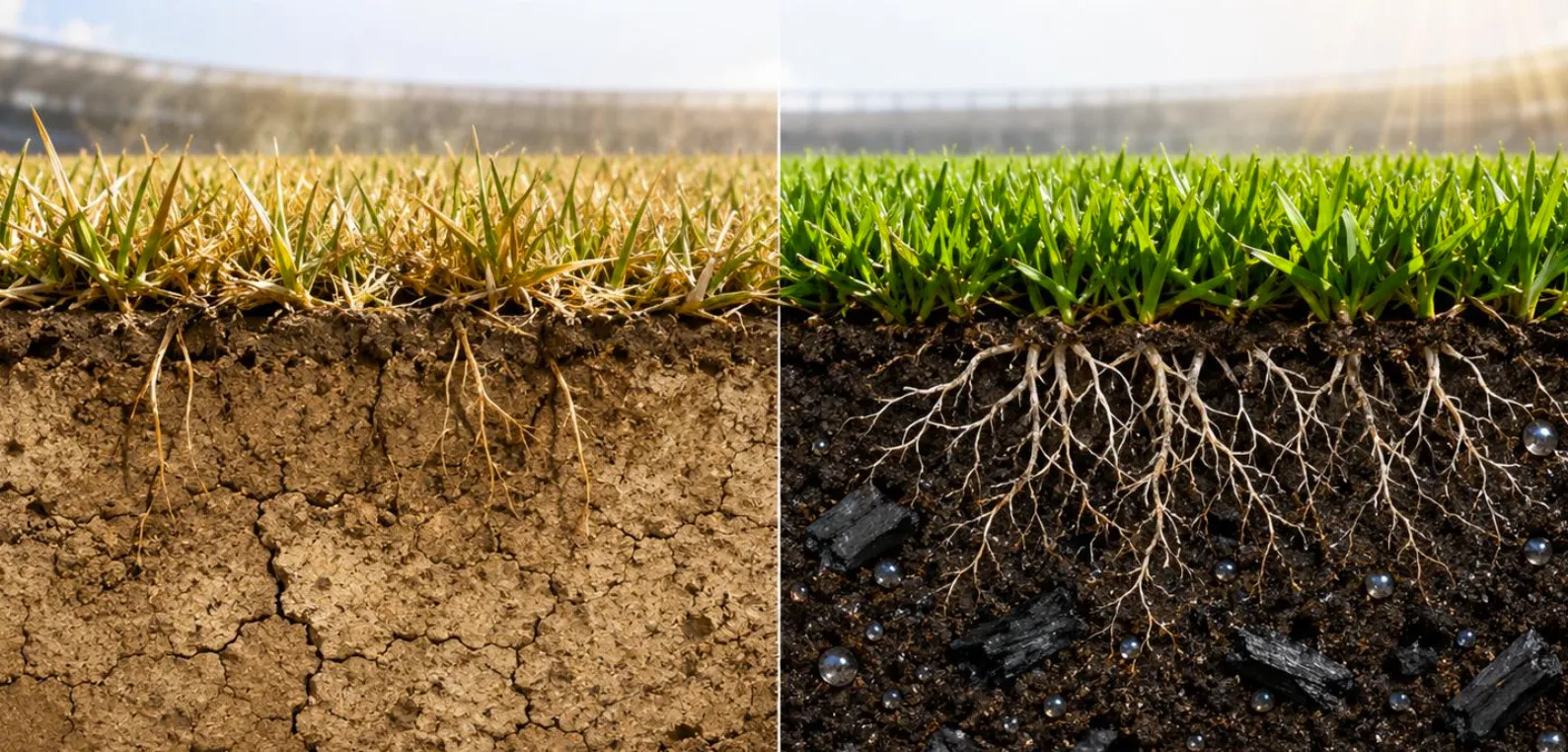
What is normally thrown away becomes a raw material for us. Plant residues, such as harvest residues from Green Fenix cultivation, are turned into stable biochar by pyrolysis. In the soil it acts like a sponge: it stores water and nutrients, loosens the soil structure and provides a habitat for microorganisms. The carbon remains permanently bound in the soil and does not enter the atmosphere as CO₂.
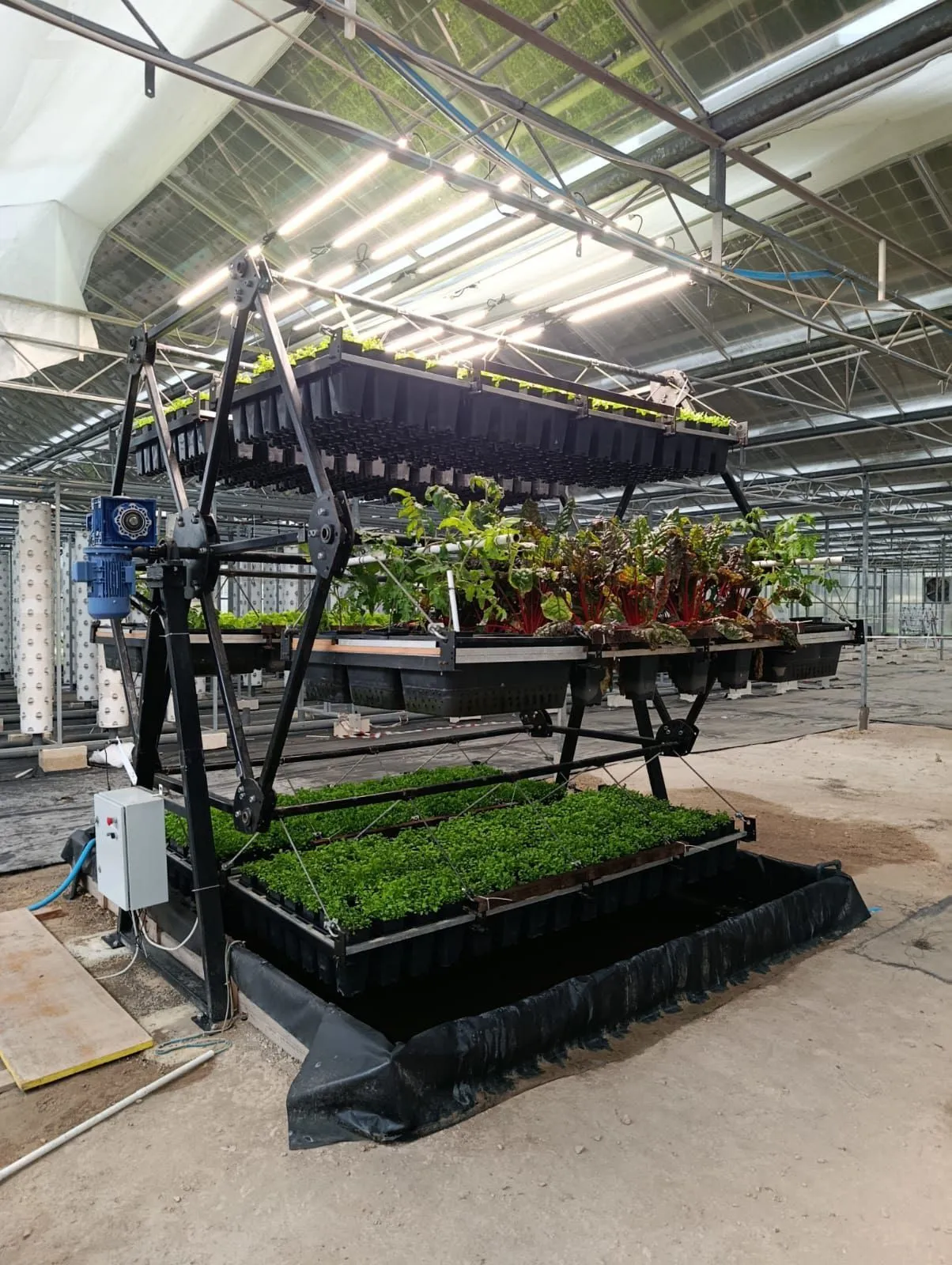
In protected growing environments, water circulates in closed loops and is treated and reused. Cultivation independent of weather and season, without pesticides and with short transport routes.
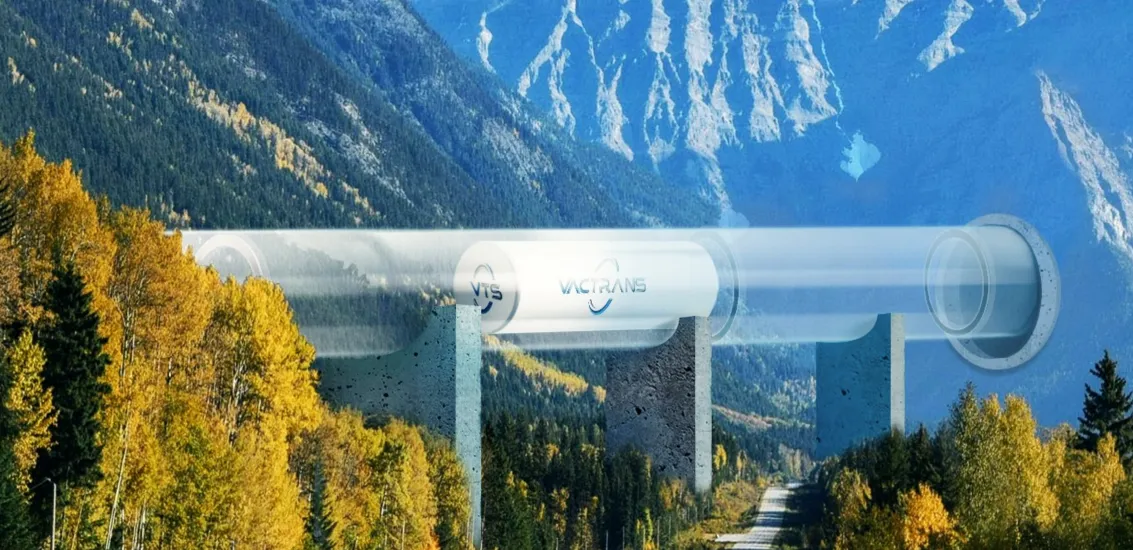
Transport capsules move through evacuated tubes with almost no air resistance. Energy demand per unit transported falls significantly, and operation along the route can be electric and emission-free.

SusTec Africa is a Zambian company for sustainable technologies. With vertical farming, renewable energy and its own training programme, the “Succademy”, the company creates lasting jobs for young people on the ground.
Generating, storing and sharing energy where it is needed: International Clean Energy brings together technologies for wind, solar and hydrogen – from small wind turbines for roofs to solar surfaces on facades and windows.

Capture Carbon International (CCI) captures CO₂ with the Green Fenix Tree, a fast-growing paulownia hybrid that resprouts after harvesting. In agroforestry systems, CCI combines climate protection, healthier soils and prospects for rural regions.
Culture & exchange
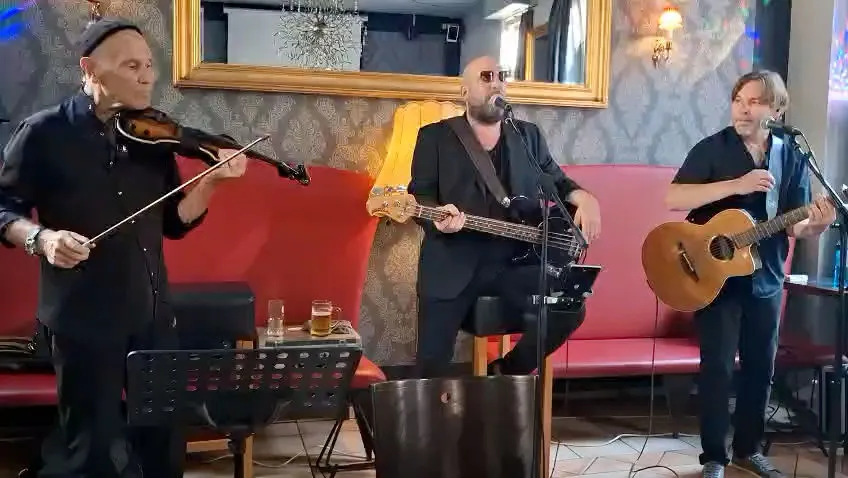
Intercultural exchange is a key lever for the CES. Music is particularly well suited to this: it overcomes language barriers, creates understanding and makes the transformation towards ecological and economic cycles tangible.
Cultural formats connect theory and practice. They make the association’s goals not only understandable but tangible for a broad public.
Areas of impact
Key topics that run through all of the association’s projects and activities.
Designing production and usage chains so that residues become inputs again.
Closed water systems as the standard – from cultivation systems to industrial processes.
Preserving soil fertility and using biomass several times over instead of burning it.
Designing transport and energy so that low consumption is the basic technical idea.
Making insights accessible and understandable for business, science and society.
Strengthening self-reliant local structures instead of creating dependencies.
Get involved
Whether you are a company, research institution, initiative or individual: we are looking to exchange ideas with everyone who wants to put ecological and economic cycles into practice. Write to us – we will get back to you personally.
Supporting the association in the long term and helping to shape its work.
Developing, testing and making model projects transferable together.
Co-initiating talks, expert articles and intercultural formats.