Focus topic
Zambia
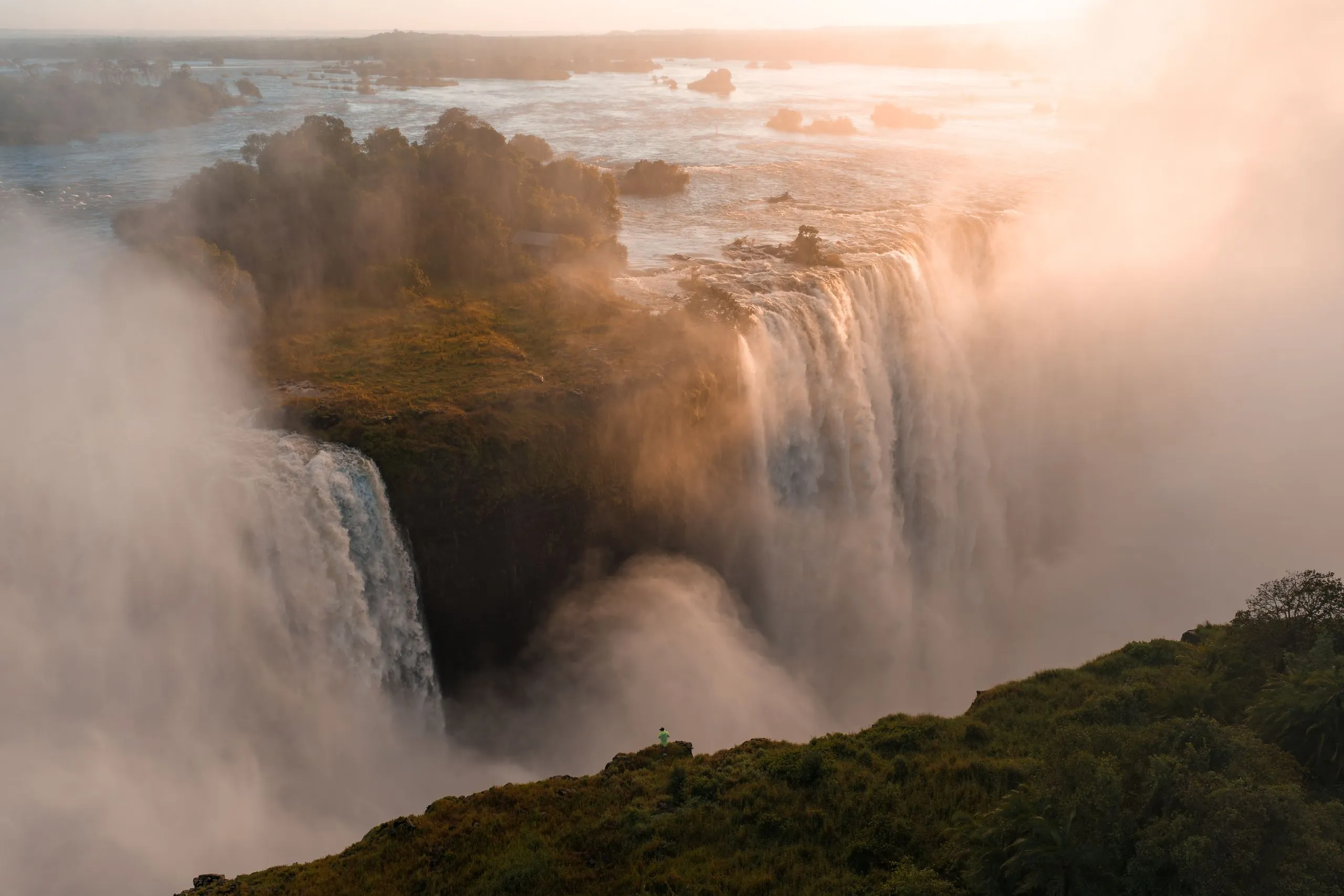
Zambia is the starting point and a model for the work of the CES: sustainable technologies, carried by Zambian companies – for jobs, prosperity and ecological goals that sustain themselves in the long term.
Together with our partners in Zambia
The initiative to found the CES was launched together with our partners in Zambia. Zambia, one of Africa’s most up-and-coming countries, is to serve as an example in putting the association’s goals into practice. The aim is not only to support Zambia’s economic and ecological development, but also to realise the development goal of “self-reliance”.
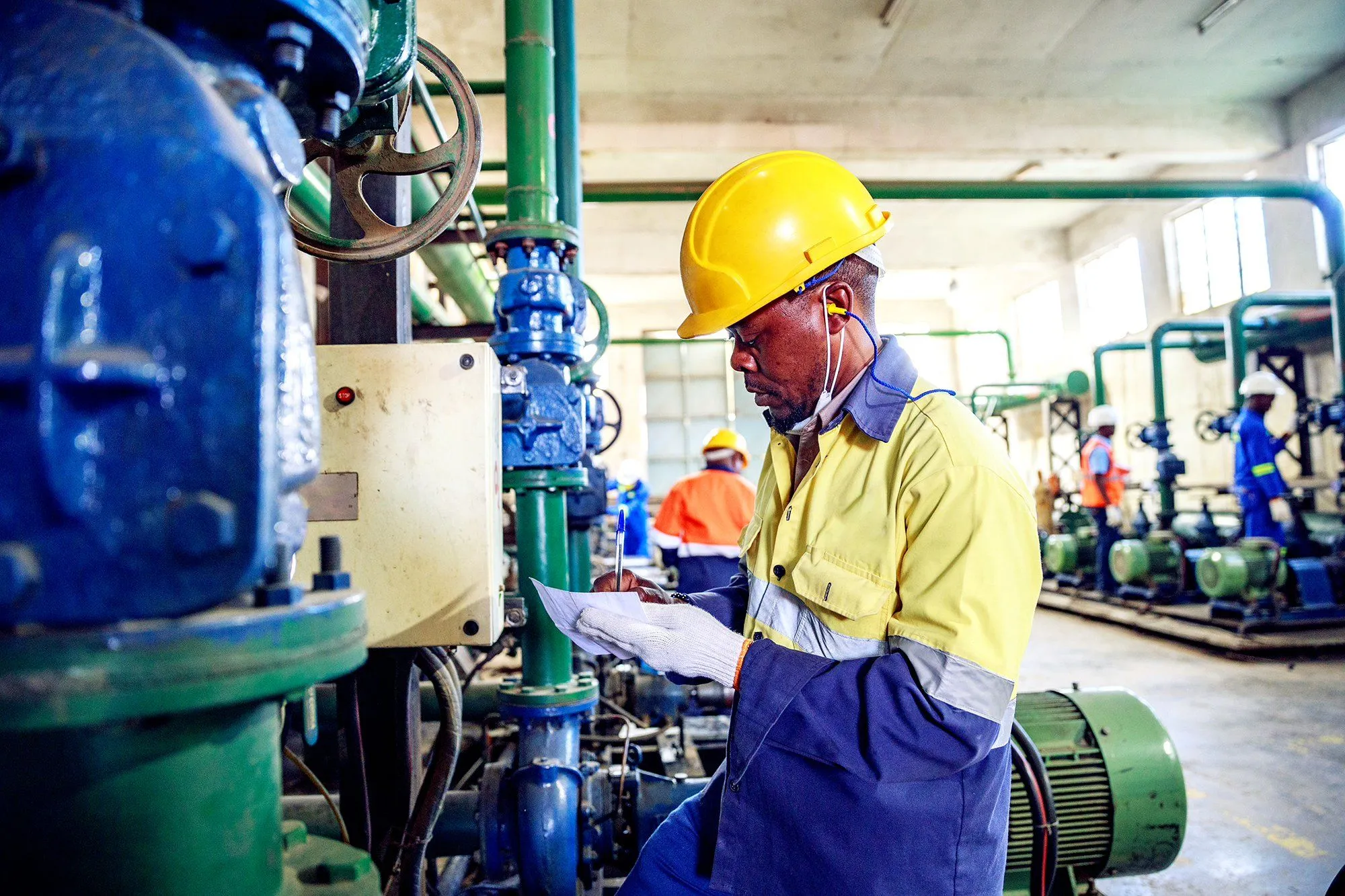
The projects and their products are to be implemented independently by Zambian companies. This creates jobs in Zambia, strengthens the local economy and generates prosperity – on a foundation that is both ecological and economic. With a healthy economic base, the ecological goals for Zambia become achievable in the medium and long term.
- of electricity comes from hydropower
- 80 %
- of solar and wind power targeted by 2030
- 600 MW
- documented hot springs
- 80+
- neighbouring countries – access to the region
- 8
A market that needs clean energy now
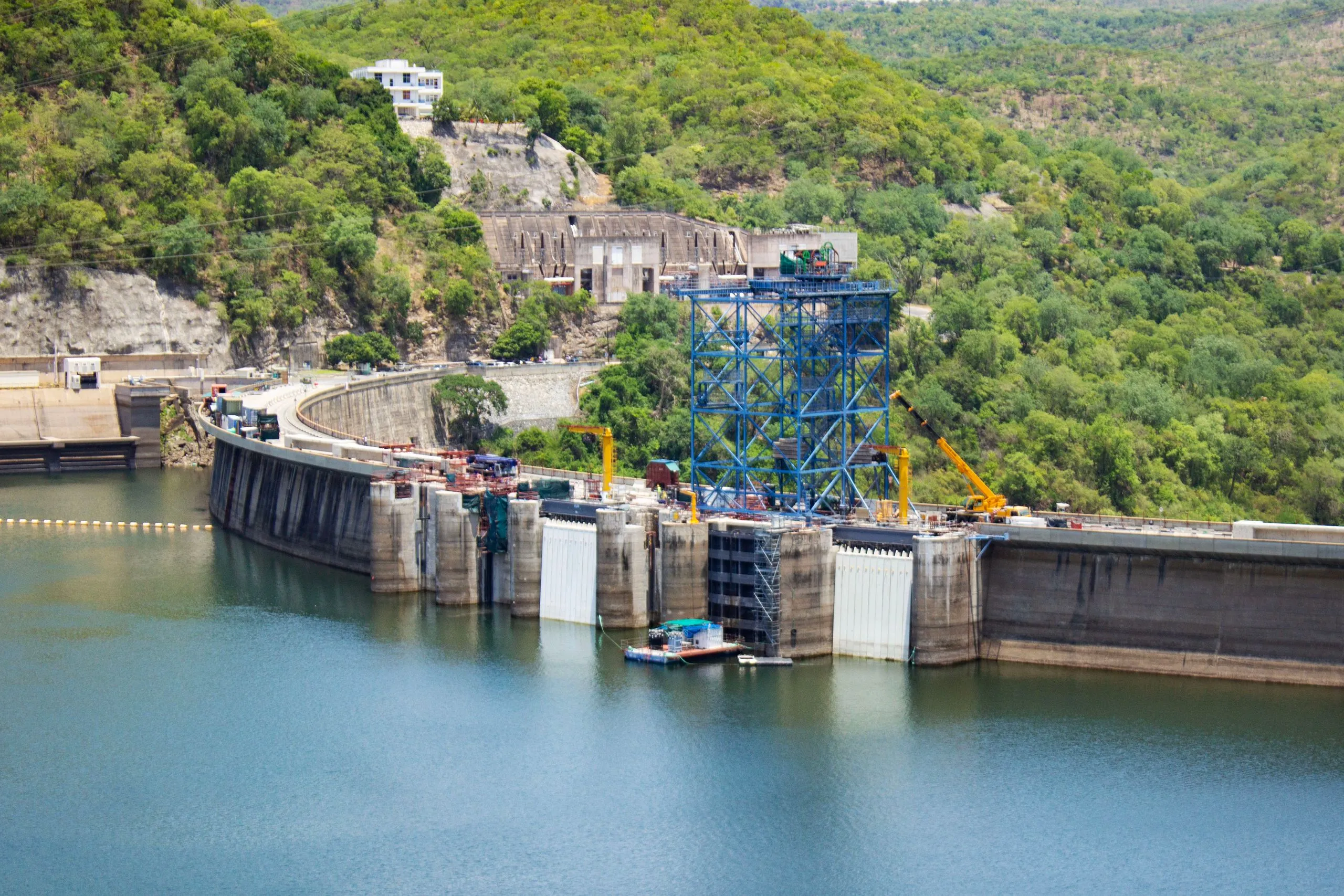
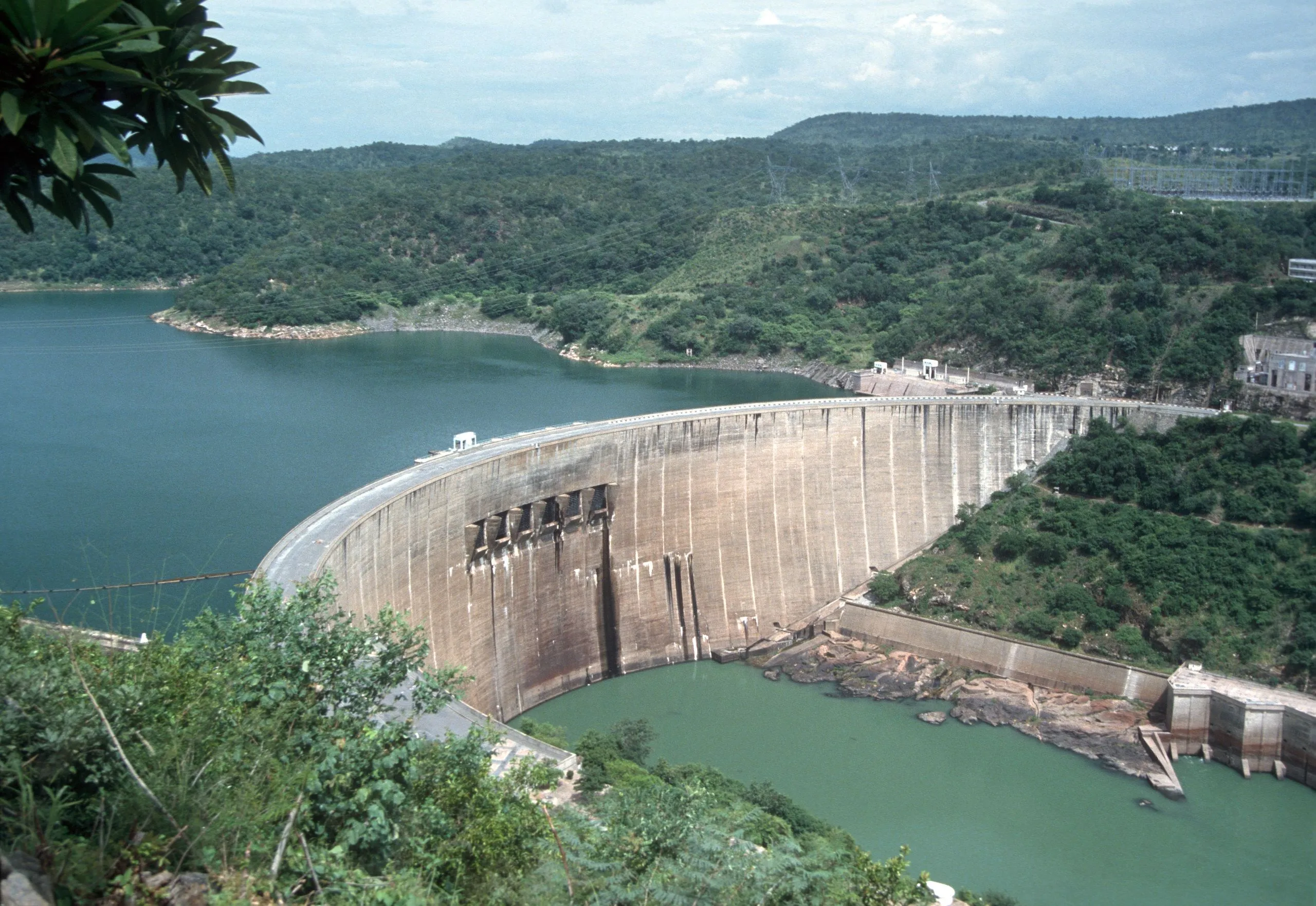
Around 80% of Zambia’s electricity comes from hydropower, and the droughts of recent years have shown how risky dependence on a single source is. Demand keeps rising, as copper production is set to grow to the national target of 3 million tonnes a year by 2031.
The government is aiming for 600 MW of solar and wind power by 2030, starting from a small base. New clean capacity is therefore not a niche topic here, but something the economy urgently needs.
Wind energy
The Viphya Mountains, the Muchinga Escarpment and the Eastern, Central and Lusaka provinces offer good wind conditions. Large-scale wind power is still in its infancy, so early movers can secure the best sites.
Geothermal energy
Zambia lies on the south-western branch of the East African Rift and has more than 80 documented hot springs. Geothermal energy supplies baseload power around the clock that complements hydro and solar power, as well as heat for agricultural processing and cold storage.
A complete clean-tech ecosystem
- Solar energy and storage: strong solar irradiation all year round on a high plateau and immediate demand from mining, agriculture and industry
- Batteries and electric vehicles: copper, cobalt, manganese, nickel and graphite, plus a national push to process these raw materials in the country
- Modern hydropower: small hydropower, floating solar on reservoirs and the combination of hydropower with wind and solar
- Green hydrogen and green fertiliser, produced with renewable electricity and abundant water
- Clean cooking and bioenergy: a large market for alternatives to charcoal as well as biogas and bioethanol from agricultural residues
- Off-grid solar and mini-grids: millions of rural customers who are not yet connected to the grid
- Climate-smart agriculture: 42 million hectares of arable land plus irrigation, solar-powered pumps and cold chains
- Forestry and carbon markets: large forest areas suitable for reforestation and conservation
- E-mobility and recycling, close to the raw materials they depend on
An investor-friendly framework
Under the Electricity Act of 2019, private producers may sell electricity directly to any customer. Export-oriented production in Multi-Facility Economic Zones pays 0% corporate tax for 10 years, and there are no foreign exchange controls, so profits can be repatriated freely. From July 2021 to October 2026, the kwacha gained 12.2% against the US dollar, while the rand, the Tanzanian shilling and the naira lost value.
Access to a regional market
Zambia borders 8 countries. Lusaka is home to the COMESA headquarters, and Zambia is also a member of SADC and the African Continental Free Trade Area. Solutions that prove themselves here can be scaled across the entire region.
Stable and English-speaking
Zambia looks back on 62 years of peace, uses English in law and business and holds more than 40% of SADC’s water resources.
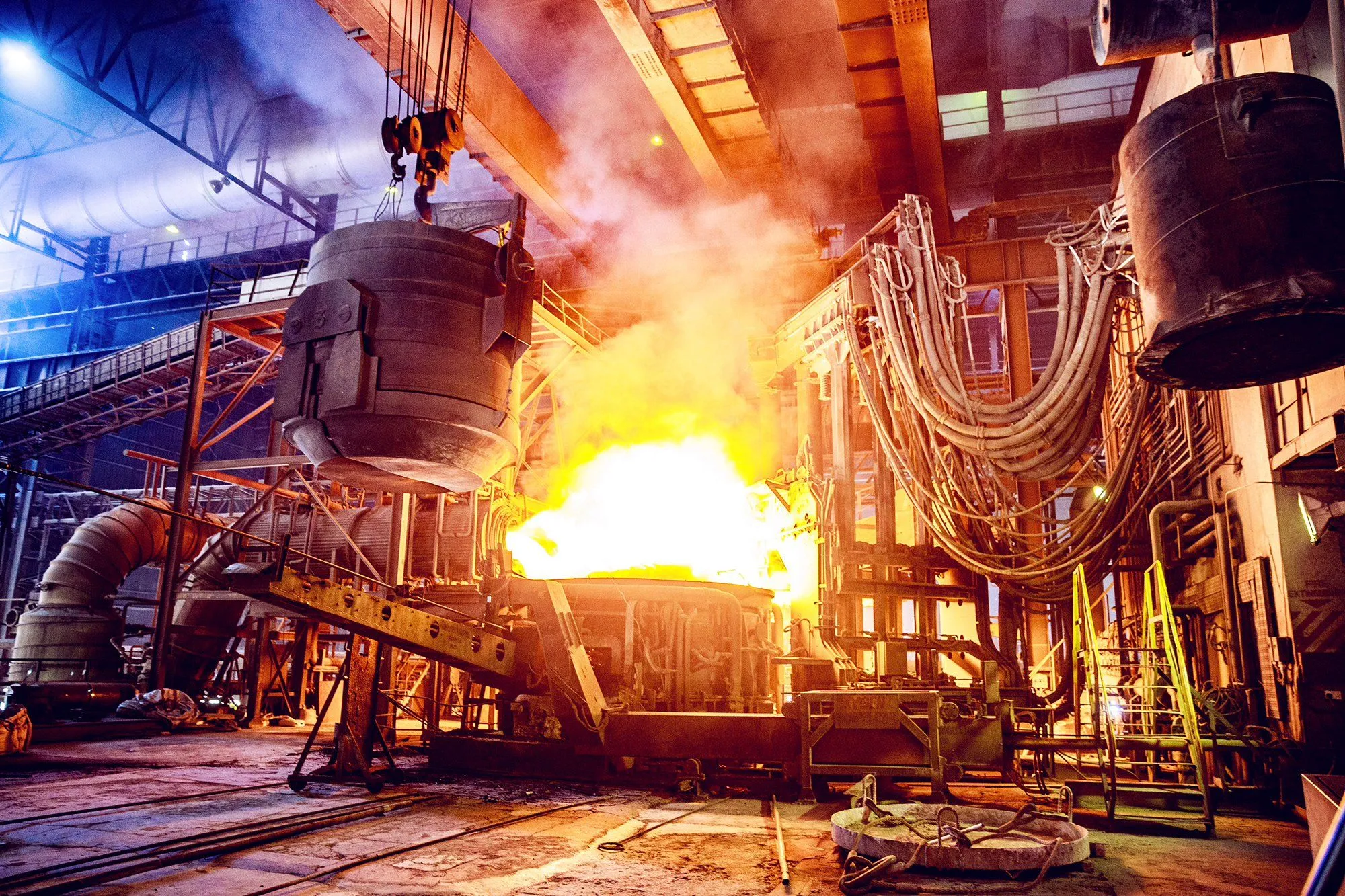
Demand is rising, the supply gap is real, the market is open and the incentives are in place. Those who enter now will set the standards for Africa’s clean energy future.
Delegation trip from 23 to 30 January 2027
A CES delegation is travelling to Zambia to get to know projects on the ground and to bring together companies, ministries, the city administration and banks.
Sat, 23 January
Departure
Sun, 24 January
Arrival in Lusaka
Mon, 25 January
Preliminary talks and site visits
Visit in Lusaka to Delthy Farm and other projects.
Tue, 26 January
Presentation event in Lusaka
Companies, ministries, Lusaka City Council and banks come together. In the afternoon, we arrange targeted meetings between partners.
Show programme
- 9:00 – Opening: prospects for cooperation between Zambia and Germany, the development of Lusaka and sustainable urban development using the example of Berlin
- 10:50 – Financing: the World Bank, KfW, the African Development Bank and local banks on growth and agricultural finance in Zambia
- 13:30 – Business lunch
- 14:30 – Project presentations: GREENFENIX, the tree for the future · Biochar with the latest technology · Vertical farming · Vactrans · Geothermal energy · Remediation of contaminated land
- 16:00 – Discussion
- 17:00 – One-to-one meetings between companies and authorities from Zambia and Lusaka
Wed and Thu, 27–28 January
One-to-one meetings
Meetings with ministries, the City of Lusaka, companies and banks.
Fri, 29 January
Review and next steps
Agreeing on the way forward and site visit.
Sat, 30 January
Return journey
Interested in working together in Zambia?
Would you like to get involved with your company or project? Get in touch with us.